
LAFAYETTE, La. — Group fitness classes are becoming one of the most important drivers of gym success across the country, with research showing they significantly improve member retention, consistency, and overall results.
As Ikigai Fitness Company prepares to open June 1, 2026, its class-based model reflects a broader shift in the fitness industry, where structured group training is replacing traditional, self-guided workouts for many members.
Industry data shows that people are not just choosing group fitness because it’s trendy. They’re sticking with it because it works.
The Retention Problem Most Gyms Face
One of the biggest challenges in fitness is not getting people to join. It’s getting them to stay.
Studies show that 40% to 65% of gym members drop out within the first six months, often due to lack of structure, guidance, or motivation.
Even more telling, 42% of new members quit within the first 30 days, especially those who feel unsure of what to do when they walk into a gym.
That’s where group fitness changes the equation.
Why Group Classes Keep People Coming Back
Group fitness consistently outperforms traditional gym usage when it comes to retention.
Members who participate in group exercise are significantly more likely to stay long term. In one study, 88% of group fitness participants remained members, compared to 82% of gym-only users.
Other data shows that members who take two or more classes per week are up to 50% more likely to stay past a year, effectively doubling retention compared to those who work out alone.
Even the risk of quitting shifts dramatically. Gym members who avoid group classes are 56% more likely to cancel their membership.
The takeaway is simple. When people show up to classes, they stick around.
The Power of Community and Accountability
The impact of group fitness goes beyond just showing up.
Research shows that two-thirds of gym members prefer working out with others, citing motivation and connection as key reasons.
That sense of community has real impact. Exercising in a group environment has been shown to increase adherence, confidence, and long-term habit formation, largely due to social support and shared goals.
There’s even a psychological effect at play. Known as the Köhler Effect, people tend to push themselves harder when working out in a group, leading to better performance and faster progress.
And the benefits go beyond physical results. A study published in the Journal of the American Osteopathic Association found that group fitness participants experienced reduced stress and improved quality of life compared to those who trained alone.
Structure Removes the Guesswork
For many people, the hardest part of fitness is knowing what to do.
Group classes eliminate that barrier entirely.
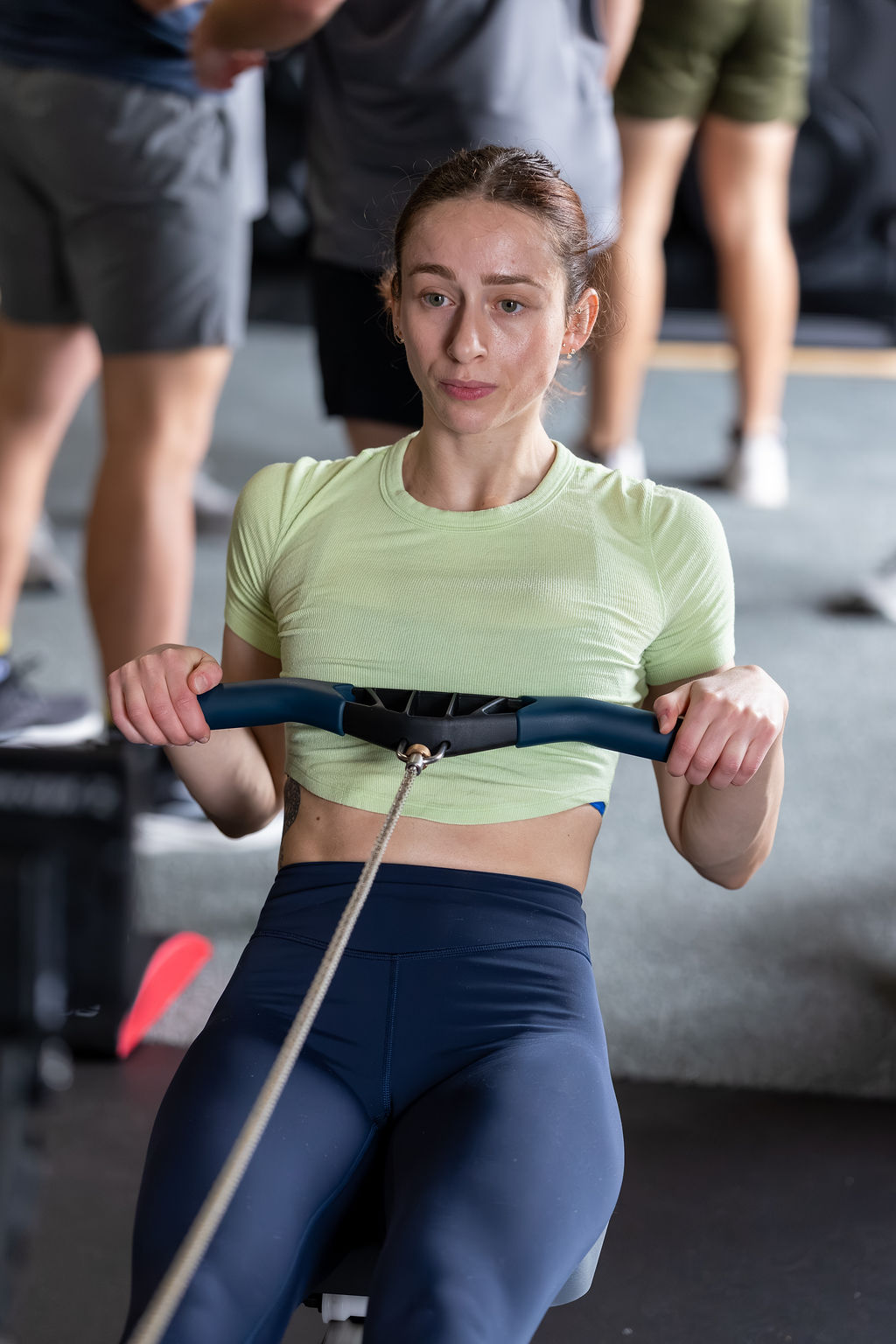
Instead of walking into a gym and trying to figure out a workout, members follow a structured plan led by a coach. This removes decision fatigue and creates a consistent routine.
Research shows that more than 85% of group fitness participants attend their gym at least twice per week specifically for classes, reinforcing how central these sessions become to their routine.
That consistency is what ultimately drives results.
A Growing Industry Shift
The rise of group fitness is part of a larger industry trend.
The global boutique fitness market continues to expand rapidly, fueled by demand for experience-driven workouts and community-focused environments.
Millions of group classes are now taught each year, and facilities that prioritize group training are seeing stronger engagement and retention across the board.
For many members, fitness is no longer about access to equipment. It’s about having a reason to show up.
Why Ikigai Is Built Around Classes
Ikigai Fitness Company is leaning into this model from day one.
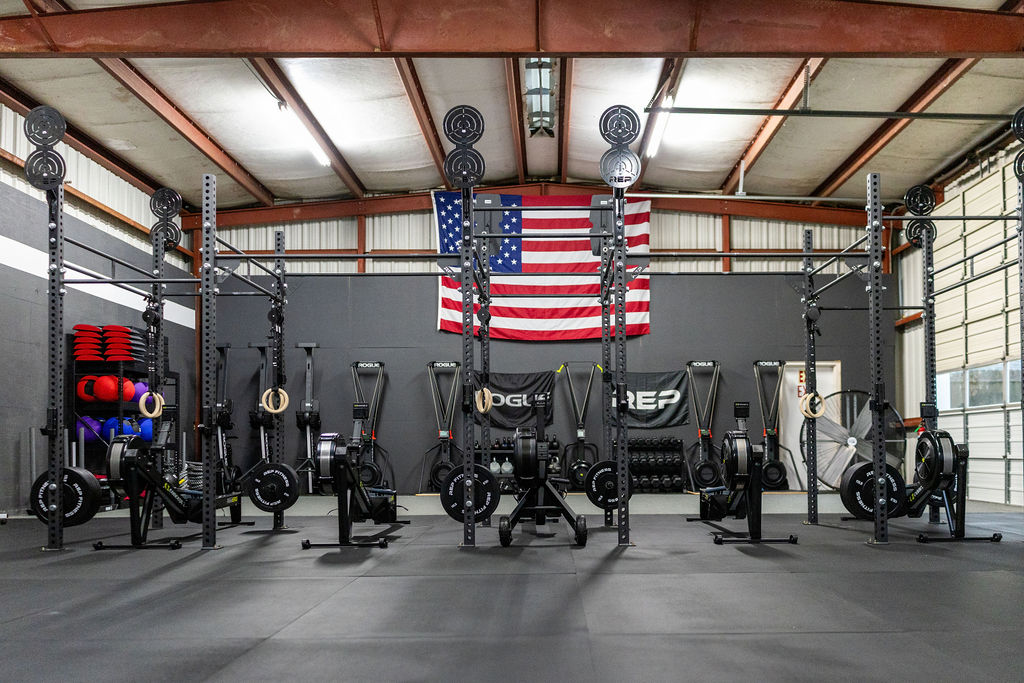
Rather than relying on open gym access alone, the facility is centered around coached group classes designed to be welcoming, structured, and effective for all levels.
“We’re building something people actually want to show up to,” said owner Page Pennison. “It’s fun, it’s welcoming, and it works.”
That approach reflects what the data already shows. When people feel supported, guided, and part of something, they are far more likely to stay consistent.
“You don’t have to figure it out alone anymore,” Pennison said. “Just show up, and we’ll guide you through it.”
A Better Way to Stay Consistent
As Ikigai prepares to open its doors in Lafayette, it is entering the market with a model that aligns with where fitness is heading.
Group fitness is not just a feature of modern gyms. It is increasingly the foundation.
And for many members, it may be the difference between starting a fitness routine and actually sticking with it.